Most people newly diagnosed with diabetes are told to “eat balanced meals” without ever being told what that actually looks like on a plate. This guide is the version I wish I’d had: a simple, repeatable way to think about food that takes the guesswork out of every meal.

When we first started managing our daughter’s diabetes, the balanced plate became the structure that made everyday meals feel simpler. It gave us a clear, repeatable way to build plates, whether we were cooking from scratch or adapting meals we already loved.
What makes this approach so powerful is its flexibility. It works just as well alongside the Eatwell Guide as it does with the US MyPlate recommendations. But more importantly, it works with real family food.
Using this method means we can all eat the same meal, carb counting becomes more predictable, and blood sugars are easier to manage without overthinking every ingredient. It has also improved the overall balance of our diet, not just our glucose levels.
In this article, I’ll show you exactly how to build a diabetes-friendly plate, share practical ways to apply it to everyday meals, and explain how to use it for dishes like soups and stews that don’t naturally fit a visual plate.

The Whole Hearty Kitchen Balanced Plate Method
This is the method behind every Whole Hearty Kitchen recipe and the approach I use at home every day. It creates one balanced meal for everyone at the table while making carb counting easier and more consistent.
By following a simple protein, fibre and carbohydrate structure, meals become quicker to build, easier to portion and realistic for busy family life.
You’ll also recognise this exact framework inside the Balanced Blood Sugar Meal Builder, where it becomes a quick visual system you can use for any meal.
The Balanced Plate for Diabetes at a Glance
A balanced plate for diabetes includes vegetables, protein, slow-release carbohydrates and healthy fats in specific proportions to support steady blood sugar.
½ plate fibre-rich vegetables
¼ plate protein
¼ plate slow-release carbohydrates
A small portion healthy fats
How to Build a Balanced Meal Step by Step
- Start with your vegetables – Fill half your plate with non-starchy vegetables or high-fibre plant foods. This creates volume, slows digestion and forms the foundation of the meal.
- Add your protein – Choose a palm-sized portion of protein such as chicken, eggs, fish, tofu, lentils or Greek yoghurt to help keep you full and support steady blood sugar.
- Include your carbohydrates – Add a fist-sized portion of slow-release carbohydrates like wholegrains, potatoes, fruit or beans for sustained energy and easier carb counting.
- Finish with healthy fats – Add a small amount of fats such as olive oil, nuts, seeds or avocado for flavour and to further slow glucose absorption.

Once you become familiar with this structure, you can build balanced meals from foods you already have in your fridge without needing a meal plan.
👉 Download the free Balanced Blood Sugar Meal Builder
Why Balanced Meals Matter for Diabetes
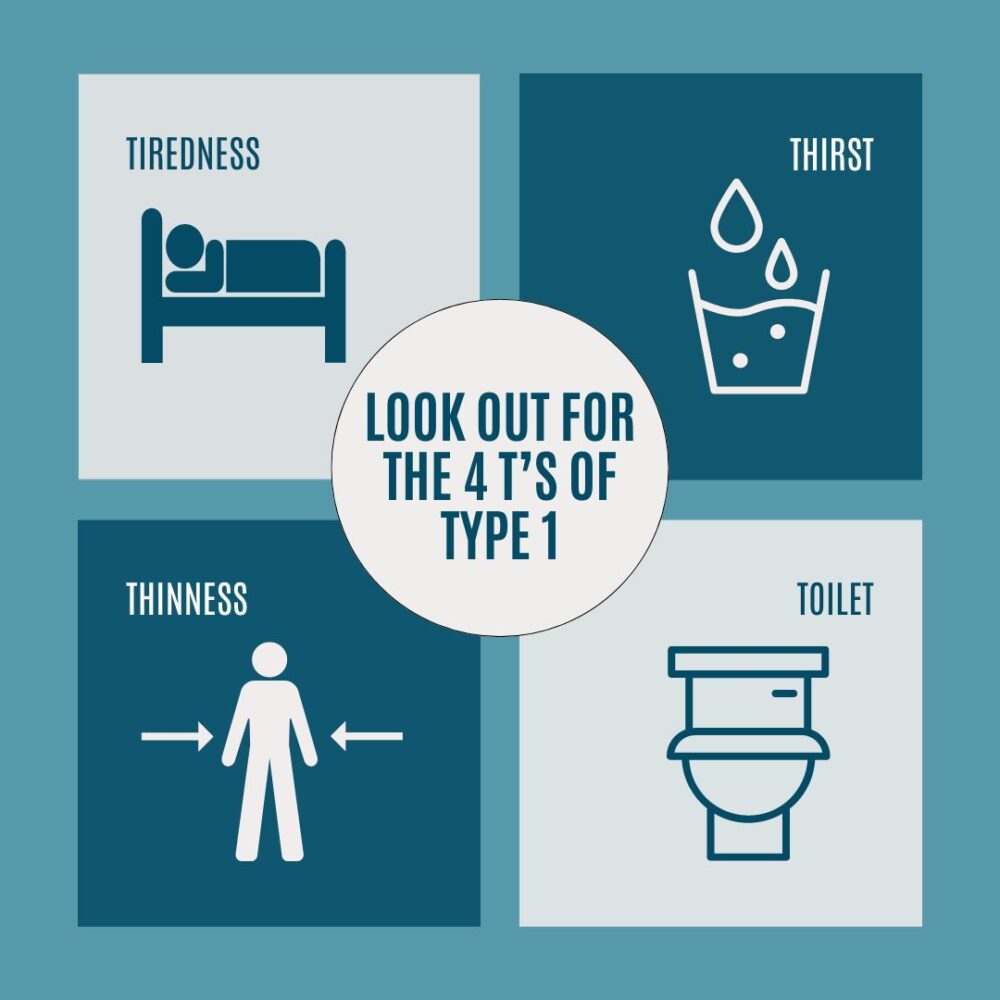
When my daughter was diagnosed with type 1 diabetes, using a balanced plate became the tool that made everyday meal planning feel manageable. Building balanced meals for both type 1 and type 2 diabetes helps create steadier energy levels, more predictable blood sugars and far less stress around food.
This approach is not just about carbohydrates. When protein, fibre and healthy fats are eaten alongside carbs, glucose is absorbed more slowly, which helps reduce sharp blood sugar spikes and crashes. It also naturally encourages adding more whole foods and using minimally processed ingredients, which improves the overall quality of the diet for the whole family.
You can read more about this in the article below:

The Role of Protein, Fibre and Carbohydrates in Blood Sugar Balance
To build balanced meals consistently, it helps to understand the role of each macronutrient.
In the Whole Hearty Kitchen balanced plate method, fibre-rich foods form the foundation, protein provides structure and stability, carbohydrates supply steady energy, and healthy fats enhance flavour and slow digestion.
Here’s how each part of the plate supports blood sugar balance

Fibre – The Foundation (Half the Plate)
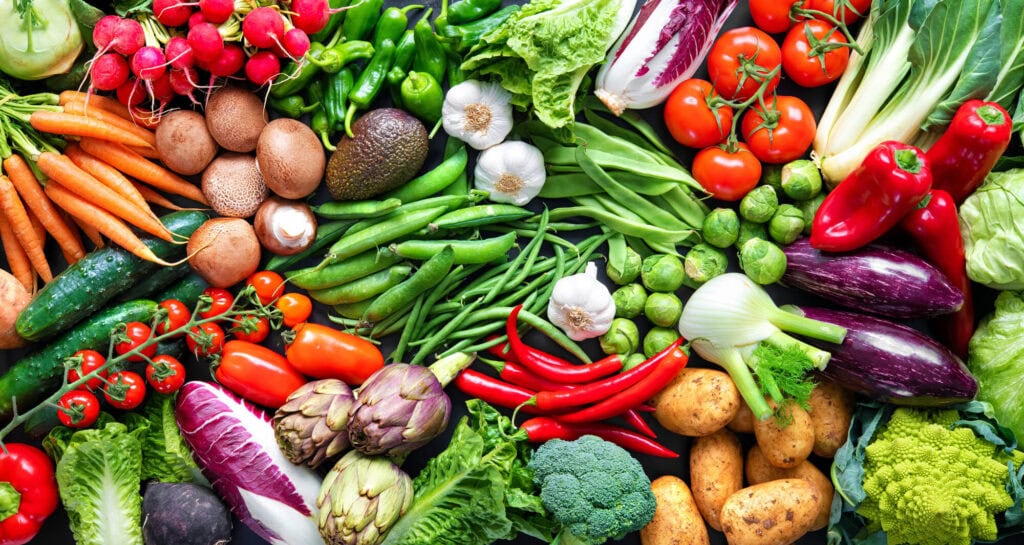
Fibre is crucial for regulating blood sugar levels, improving gut health, and keeping you full. Make fibre-rich foods the foundation of your balanced meals.
High-Fibre Food Examples:
- Non-starchy vegetables: broccoli, cabbage, spinach, kale, carrots, courgettes.
- Fruits: berries, apples, oranges.
- Legumes: lentils, chickpeas, black beans, butter beans, kidney beans.
Tips for Adding More Fibre:
- Make your veggies the star of the plate by making them more exciting. You can find plenty of inspiration in my sides and salads section
- Eat the rainbow by filling half your plate with a variety of colourful vegetables.
- Choose raw or lightly cooked veggies to retain more fibre.
- Add legumes to anything with a sauce, like soups, stews, and salads, for an extra fibre boost.

Complex Carbs – The Energy Source (Quarter of the Plate)
Carbohydrates are essential for energy, but not all carbs are equal. Balanced meals include complex carbs, found in whole foods, that are rich in fibre and nutrients and are digested slowly. Refined carbs, such as white bread, rice and pasta, are processed to remove fibre and nutrients, leading to quicker digestion and blood sugar spikes.
Examples of Complex Carbs:
- Whole grains: quinoa, brown rice, spelt, bulgur wheat.
- Starchy vegetables: sweet potatoes, white potatoes.
Portion Control Tip:
Use your fist as a guide for portioning carbs. Aim for one fist-sized portion per meal.


Protein – The Stabiliser (Quarter of the Plate)
Protein slows the absorption of glucose, helping to stabilise blood sugar levels. Every balanced meal should include a lean protein source.
Examples of Lean Proteins:
- Animal-based: chicken, turkey, fish, eggs.
- Plant-based: tofu, tempeh, soya, lentils, chickpeas.
- Dairy: low-fat Greek yoghurt, cottage cheese.
Helpful Tip:
For plant-based diets, combine proteins like beans with whole grains to ensure you’re getting complete proteins.

Healthy Fats – The Enhancer (Small Portions)
Healthy fats are essential for absorbing vitamins and adding flavour to meals. They should be consumed in small portions to keep meals balanced.
Sources of Healthy Fats:
- Nuts and seeds: almonds, walnuts, hazelnuts, chia seeds, flaxseeds.
- Oils: olive oil, avocado oil, rapeseed oil.
- Whole foods: avocados, olives.
How to Add Healthy Fats:
- Drizzle a little olive oil over roasted veggies or salads.
- Make homemade salad dressings to enhance your meals. My favourite is my Marinated Artichoke Salad Dressing
- Add avocado slices or chopped olives to sandwiches and salads.
- Sprinkle seeds on breakfasts, soups or smoothie bowls.

Practical Tips for Building Balanced Meals
Creating balanced meals for diabetes doesn’t have to be complicated. Here are some practical ideas to get you started:
1. Visualise Portions Without Measuring
- Use your hands as guides:
- Fibre = two open palms for vegetables.
- Carbohydrates = one fist for carbs.
- Protein = one palm for protein.
- Healthy fats = one thumb-sized portion.
Helpful Resource: This guide from the British Foundation of Nutrition is packed full of useful information for being portion-wise.

2. Adapt One-Pot Meals
Balanced meals are about ratios, not how the food looks on the plate.
Not every meal fits neatly onto a plate, especially when you’re making soups, stews, or casseroles. This was something I struggled with at first because it felt impossible to track all the countable ingredients.
Here’s how I adapt them to fit the balanced plate method while making carb counting easier:
- Focus on Ratios, Not Presentation: Even in a one-pot dish, aim for a balance of non-starchy veg & lean protein, with the carbs on the side.
- Bulk up the vegetables for fibre: Use ingredients like leafy greens, root vegetables, onions, aubergines, mushrooms and peppers as the base for your dish.
- Use healthy ingredients for sauces: Opt for tinned tomatoes, organic stock cubes, or homemade vegetable stock to keep your soups and stews wholesome and flavourful.
- Incorporate herbs, spices, and minimally processed pastes: Add flavour with garlic, ginger, turmeric, paprika, herbs or a spoonful of tomato or curry paste to elevate your dish naturally without added sugars or unhealthy additives.
- Keep complex carbs separate: Instead of adding wholegrains or potatoes directly into the soup or stew, cook them separately and add them when serving. This allows you to measure portions accurately for carb counting.
- Add a lean protein: Include options like chicken, lentils, or tofu to help stabilise blood sugar.
- Finish with healthy fats: Drizzle with olive oil or sprinkle with seeds for added flavour and essential nutrients.


3. Prep in Advance
- Cook larger batches of balanced meals like soups or casseroles and freeze portions for busy days.
- Pre-chop vegetables to save time during the week.
🔗Learn more helpful meal prep tips in my guide Time-Saving Meal Prep Tips for Diabetes Management
If this method helps you, the Balanced Blood Sugar Meal Builder turns it into a simple visual system you can use every day.
Balanced Meal Ideas for Breakfast, Lunch and Dinner
Sometimes it’s easier to learn by example. Here are a few balanced meal ideas from Whole Hearty Kitchen to inspire your daily menu.
Breakfast
- Apple Chia Seed Pudding: A creamy yoghurt and chia seed base (healthy fats, fibre and protein) sweetened with fresh apple slices (fibre) and a touch of cinnamon, with an optional sprinkle of nuts for extra crunch (protein and healthy fats).
- Breakfast Pizza: A fun twist on breakfast with a whole-grain tortilla (carb), topped with eggs (protein), vegetables like spinach and peppers (fibre), and a sprinkle of cheese (protein).
Lunch
- Spiced Butternut Soup With Greek Yoghurt: A comforting bowl of soup featuring non-starchy vegetables like squash and onions (fibre), and Greek yoghurt (protein), paired with a slice of whole-grain bread (carb).
- Mediterranean Feta Tuna Salad: A refreshing salad made with leafy greens, cucumbers, and cherry tomatoes (fibre), tossed with tuna and a yoghurt sauce (protein), all finished with olives and a drizzle of olive oil (healthy fats). Serve with your choice of carb.
Dinner
- Slow Cooker Satay Chicken: Tender chicken (protein) cooked in a rich, peanut butter-based sauce (protein and healthy fat), served with stir-fried vegetables (fibre) and a portion of grains (carb).
- Vegetarian Baked Gnocchi with Kale and Tomatoes: A comforting dish made with gnocchi (carb), kale, and tomatoes (fibre), topped with a light sprinkle of cheese (protein).
🔗 If you’re looking for more balanced meal ideas, then make sure to check out my recipe collections: 45 Diabetes-Friendly Dinner Recipes and Easy Diabetes-Friendly Meals. All recipes are built around protein, fibre and whole food ingredients.
Making Balanced Meals for Diabetes Management Easier
Creating a balanced plate for diabetes is about more than just food. It’s about building habits that make managing blood sugar part of daily life. By following the tips and principles in this article, you can create meals that are as nourishing as they are delicious.
Whether you’re crafting a tasty breakfast to fuel your day or enjoying a hearty stew, the key is balance and mindful choices.
More Helpful Resources to Explore:
Balanced Meals Made Simple – Start Here
Balanced breakfasts -For quick, steady starts to the day, explore my balanced breakfast recipes built using this exact plate method.
Easy Balanced lunches – Need simple midday meals that keep you full and energised? I’m putting together a balanced lunch roundup to give you plenty of easy mix-and-match ideas.
Balanced dinners – You’ll find this structure used in all my diabetes-friendly dinner recipes, so you can build one balanced meal that works for the whole family.
Healthy Balanced snacks -If snacks are where you get stuck, my Balanced Bites eBook shows you how to combine protein, fibre and carbs for quick, blood sugar-friendly options.
Diabetes Plate – American Diabetes Association
Diabetes and Fibre – NHS
Eating for Diabetes Management – American Diabetes Association




Leave a Reply