
This low-sugar blueberry smoothie is diabetes-friendly and the perfect balance of creamy, fruity, and filling. With the right mix of protein, healthy fats, and lower GI fruits, this fibre-rich smoothie is a delicious way to support blood glucose control while keeping you full and satisfied.

If you’ve ever felt like most smoothie recipes are more like dessert than a balanced breakfast or snack, you’re not alone. While they can be packed with fruit, they often tip into the high-sugar territory, which can cause unwanted blood glucose spikes.
That’s why I created this blood sugar-friendly blueberry smoothie. It’s naturally sweet, low in sugar, rich in fibre (nearly a third of your daily recommendation!), and perfectly balanced with protein and healthy fats. It’s a smoothie we enjoy on busy mornings and after a workout.
If you like starting the day with a simple, balanced blend, you might love my Easy Ginger Shots Recipe. It’s a whole-food mix of fresh ginger, turmeric and citrus that adds a bright, warming kick to your morning routine — especially through the colder months.

Why This Smoothie Works for Blood Sugar
This low-sugar blueberry smoothie is the perfect balance of creamy, fruity, and filling. With protein-rich Greek yoghurt, fibre from chia and flax seeds, and the natural sweetness of berries, it’s a great option that supports diabetes management. Whether you enjoy it for breakfast, a snack, or a post-workout boost, this smoothie is quick to make and naturally blood sugar-friendly.
🔗 For more ideas on creating balanced snacks that support blood glucose management, check out my How to Build Balanced Snacks for Blood Glucose Management guide.
The blood sugar-balancing ingredients
This smoothie recipe combines:
Low GI fruits – blueberries and strawberries give natural sweetness while being kinder on blood glucose than tropical fruits.
Protein from Greek yoghurt and unsweetened almond milk– helps slow digestion and adds creaminess.
Fibre from chia and flax seeds – supports satiety, gut health, and steadier blood sugars.
Healthy fats from nut butter and seeds – keep you full and blunt the impact of natural fruit sugars.
Optional greens (like spinach) – for extra fibre and nutrients, with no effect on taste.

Note on Almond Milk: Why I Chose This Over Cow’s Milk
I like using unsweetened almond milk in this smoothie because it’s naturally low in carbohydrates, which means it has a minimal impact on blood sugar compared with cow’s milk. While cow’s milk contains lactose (a natural sugar), almond milk keeps the smoothie creamy without adding extra carbs, making it a better choice for diabetes-friendly recipes.
For those of us aiming to eat more mindfully, not just for blood sugar but for overall health, it’s worth taking a peek at the label. Choose almond milk with the shortest, cleanest ingredient list. And when possible, go for the chilled versions over long-life cartons for fewer additives and a closer-to-whole feel. This way, you get all the creaminess you want, with a cleaner, simpler ingredient list that fits perfectly with a balanced, blood sugar-conscious diet.
🔗 Read more about How to Read Food Labels with Diabetes in this helpful guide
How to Make Your Low Sugar Blueberry Smoothie
- Prepare your ingredients: Measure out 100g frozen blueberries, 50g frozen strawberries, 1 tbsp chia seeds, 2 tbsp ground flaxseed, 100g unsweetened Greek yoghurt, 150–200ml unsweetened almond milk, 1 tsp almond or peanut butter, ¼ tsp cinnamon, and a handful of baby spinach (optional). Add protein powder if using.
- Blend: Place everything in a high-speed blender. Blend until completely smooth and creamy, scraping down the sides if necessary.
- Adjust consistency and sweetness: Add a little extra almond milk if you like a thinner smoothie. Sprinkle in extra cinnamon or a few drops of vanilla extract for extra sweetness, if desired.
- Serve: Pour into a glass and top with a few extra blueberries or a sprinkle of chia seeds for an attractive finish. Enjoy immediately!


Nutrition Information (Approximate per Serving)
- Calories: ~315 kcal
- Carbohydrates: ~21 g
- Of which sugars: ~13 g (all naturally occurring)
- Fibre: ~12 g
- Protein: ~18 g
- Fat: ~15 g (Sat Fat 1g)
This smoothie is high in fibre, protein, and healthy fats, which helps slow the absorption of natural sugars from the berries and supports steady blood glucose levels. With around a third of your daily fibre target in just one serving, it’s a satisfying option for breakfast, a snack, or a post-workout boost.
Tips for Extra Sweetness (Without Spiking Blood Sugar)
If you or your family prefer a sweeter smoothie, there are plenty of gentle ways to add natural sweetness without relying on high-sugar fruits like pineapple or mango:
- ½ a small ripe pear – adds subtle sweetness and extra fibre.
- ½ a frozen banana – brings creamy texture and natural sugars, balanced by the seeds and yoghurt.
- 1 date (pitted and chopped) – gives a caramel-like flavour.
- Vanilla extract or extra cinnamon – enhance perceived sweetness without adding any sugar.
- A few drops of stevia or monk fruit – natural, zero-calorie options that won’t raise blood sugar


Optional Swaps
| Ingredient | Swap | Reason |
|---|---|---|
| Greek yoghurt | Coconut or soy yoghurt | For a dairy-free option |
| Nut butter | Seed butter (e.g. sunflower) | For nut-free diets |
| Spinach | Kale or courgette | For more green fibre |
| Berries | Frozen mixed berries | Seasonal and flexible |
Diabetes Note
This low-sugar blueberry smoothie is a naturally diabetes-friendly recipe, packed with fibre, protein, and healthy fats to help support steady blood glucose levels while keeping you full and satisfied.
Type 1 Carb Counting
The estimated carbohydrate content for this blueberry smoothie is based on the countable ingredients that contribute to the total carbs. Here’s the breakdown:
- 100g of frozen blueberries = 9.1g of carbs
- 50g of frozen strawberries = 3g of carbs
- 100g of fat-free Greek yoghurt = 3g of carbs
Now add all the carbs together – 9.1+3+3 = 15g of carbs per smoothie
Learn More About Type 1 Diabetes Carb Counting
Please note this carb count per portion is based on the standard ingredients listed above and may differ depending on what you use and how much you choose to eat.

Did you try this recipe?
I’d love to hear how it went! Leave a star rating or a quick comment below. Your feedback means the world and helps others find the recipe too.
More Deliciously Easy Blood Sugar-Friendly Breakfasts to try:
Easy Blood Sugar-Friendly Savoury Muffins
Healthy Banana Oat Muffins – No Sugar, No Flour and Diabetes-Friendly
17 Brilliant Diabetes-Friendly Breakfast Recipes That Actually Taste Amazing


Low Sugar Blueberry Smoothie
This low sugar blueberry smoothie is naturally diabetes-friendly and is creamy, fruity, and filling. Perfect for breakfast, a snack, or post-workout.
1
servings5
minutes5
minutesIngredients
100 g 2/3 cup frozen blueberries
50 g 1/3 cup frozen strawberries
1 tbsp 1 tbsp chia seeds
2 tbsp 2 tbsp ground flaxseed
100 g 1/2 cup fat-free Greek Yoghurt
200 ml 7 fl oz unsweetened almond milk
1 tsp 1 tsp almond or peanut butter
1/4 tsp 1/4 tsp ground cinnamon
handful of handful of baby spinach
1 scoop 1 scoop plain unsweetened protein powder (optional)
Directions
- Measure out all of the ingredients directly into the blender cup for the high-speed blender
- Blend until completely smooth and creamy, scraping down the sides if necessary.
- Add a little extra almond milk if you like a thinner smoothie. Sprinkle in extra cinnamon or a few drops of vanilla extract for more sweetness, if desired.
- Pour into a glass and top with a few extra blueberries or a sprinkle of chia seeds for an attractive finish. Enjoy immediately!
Equipment
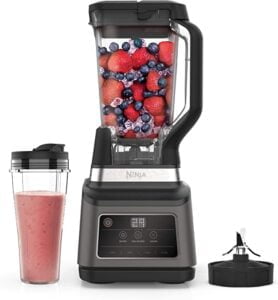
 BlenderBuy Here

Tips and Notes
- Diabetes Note – This low-sugar blueberry smoothie is a naturally diabetes-friendly recipe, packed with fibre, protein, and healthy fats to help support steady blood glucose levels. See above for type 1 carb counting breakdown.
- The nutritional information provided is based on the ingredients I use (not including protein powder) and should be used as a guideline only. The carbohydrate content may vary depending on the specific brands and measurements you use. If you are counting carbs for insulin dosing, always calculate the amount based on your own ingredients and portion sizes to ensure accuracy.
Nutrition Facts
- Total number of serves: 1
- Calories: 317kcal
- Fat: 15g
- Saturated Fat: 1g
- Carbohydrates: 21g
- Fiber: 12g
- Sugar: 13g
- Protein: 18g




Leave a Reply