This sugar-free digestive biscuit recipe recreates a familiar classic in a more blood sugar-friendly way, giving you a dependable biscuit that works for everyday baking without added sugar.

Digestive biscuits, along with a classic rich tea, are right up there as my all-time favourites. They are the biscuits I reach for most often, not overly sweet and always great with a cup of tea.
Living in a kitchen shaped by diabetes management prompted me to work on creating a sugar-free digestive biscuit recipe. Not to reinvent it, but to recreate it in a way that feels more workable for managing blood sugars, without losing the character of the original.
This digestive biscuit recipe uses wholemeal flour, keeps sweetness measured, and is written with the understanding that sugar-free baking behaves differently. The aim is a firm, well-set biscuit that holds together properly, rather than chasing the exact snap of a sugar-based version.

Why Make Your Own Digestive Biscuits?
Making your own digestive biscuits gives you far more control than shop-bought versions, especially when blood sugar management is part of daily life.
When you bake them yourself, you can:
- Adjusts the sweetness to your taste, keeping it measured and consistent
- Choose flours that bring more fibre and structure to support steadier blood sugar responses
- Make portions that suit you and your routine
For many people managing diabetes, homemade digestive biscuits make it easier to understand what you are eating and how it tends to affect you.
This approach also shifts the idea of healthy digestive biscuits away from restriction and towards practicality. These are not designed as a “diet” biscuit. They are designed to be an everyday option that fits more comfortably into a balanced way of eating, where enjoyment and blood sugar awareness can sit side by side.

Ingredients and Why They Work
This digestive biscuit recipe uses a small number of familiar ingredients, chosen to support structure, flavour, and more predictable blood sugar responses.
- Wholemeal flour
Provides structure and that classic digestive flavour. The higher fibre content compared to white flour can help slow digestion when paired with fat and fibre. You can read more about choosing flours in my guide High vs. Low Glycemic Index Flours. - Oat bran
Adds soluble fibre and helps make the biscuits more filling. It also contributes to a firmer texture, which is useful when baking without sugar. - Ground flaxseed (linseed)
Brings fibre and a little fat, helping the dough bind and hold together. This is especially helpful in sugar-free baking, where biscuits can otherwise turn soft. Flaxseed is one of the staples I often recommend in my Pantry basics for everyday cooking. - Butter
Gives the biscuits their familiar taste and helps create a well-set texture. Including fat also supports satiety, which matters when thinking about blood sugar balance. This ties in with how I approach fats in my balanced plate meals. - Xylitol
A sugar-free sweetener that many people use when managing blood sugars. It behaves differently from sugar in baking, resulting in a lighter colour and a firmer rather than crisp finish. If you’re weighing up different options, I’ve covered this in more detail in my guide to baking with sugar substitutes. - Milk
Used sparingly to bring the dough together. Keeping the liquid low is key to avoiding softness in the centre. - Baking powder and salt
A small amount of lift and balance, without turning the biscuits cakey.

Sugar-Free Digestive Biscuit
A simple, sugar-free digestive biscuit recipe designed for everyday baking without added sugar.
16
servings20
minutes20
minutes40
minutesIngredients
120 g 1 cup wholemeal flour
50 g 1/2 cup oat bran
25 g 3 1/2 tbsp ground flaxseed
1/2 tsp 1/2 tsp baking powder
1/4 tsp 1/4 tsp fine salt
90 g 3 1/6 oz cold unsalted butter, coarsely grated
60 g 1/4 cup xylitol (granulated)
1 tbsp 1 tbsp milk (dairy or unsweetened plant milk)
Directions
- Preheat the oven to 180°C fan / 200°C conventional / 400°F.
Line a baking tray with parchment. - In a large bowl, combine the wholemeal flour, oat bran, ground flaxseed, baking powder and salt.
- Add the grated cold butter and rub it into the dry ingredients using your fingertips until the mixture resembles fine breadcrumbs. Grating makes this quicker and more even.
- Stir in the xylitol until well distributed.
- Add 1 tablespoon of milk and mix gently with your hands until the dough comes together.
It should feel firm and slightly dry rather than soft. - Shape the dough into a disc, cover, and rest for 10 minutes at room temperature.
- Roll the dough between two sheets of parchment to 2.5–3 mm thick.
Cut using a 68 mm round cutter - Use a flat spatula to lift the biscuits onto the lined baking tray, leaving a little space between each one.
- Prick each biscuit several times with a fork to create small holes across the surface. This helps them bake evenly and stay flat.
- Bake in two batches for the best results for 18–22 minutes
While the first batch bakes, return the remaining dough to the fridge to keep it cool
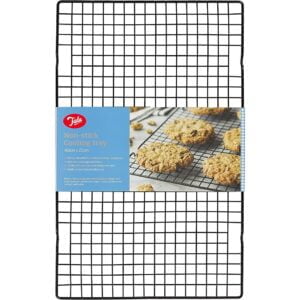
Rotate the tray once, and bake until the biscuits feel dry to the touch and lightly coloured at the edges. - Transfer the biscuits straight to a wire rack and allow them to cool completely.
They will crisp up fully as they cool.
Equipment



Tips and Notes
- Once completely cool, store in an airtight tin at room temperature for up to 7 days.
- Keeping the liquid low is essential for a crisp texture when baking with oat bran and flaxseed.
- Chilling the dough between batches helps the biscuits hold their shape and bake evenly.
- Diabetes Note – This recipe supports diabetes management by keeping sweetness measured and ingredients predictable, making it easier to include a familiar biscuit as part of a balanced approach to blood sugar awareness.
- The nutritional information provided is based on the ingredients I use and should be used as a guideline only. The carbohydrate content may vary depending on the specific brands and measurements you use. If you are counting carbs for insulin dosing, always calculate the amount based on your own ingredients and portion sizes to ensure accuracy.
Nutrition Facts
- Serving Size: 1 g
- Total number of serves: 16
- Calories: 83kcal
- Fat: 5g
- Saturated Fat: 3g
- Carbohydrates: 7g
- Fiber: 1g
- Protein: 1g
Step-by-Step Instructions (With Photos)
These photos show what the dough should look like at each stage, which is especially helpful when baking sugar-free biscuits.
1. Mix the dry ingredients


In a large mixing bowl, combine the wholemeal flour, oat bran, flaxseed, baking powder and salt until evenly mixed.
2. Grate and rub in the butter


Grate the cold butter into the flour mixture, then rub it in with your fingertips until the mixture looks like fine crumbs.
3. Add the xylitol


Stir until the xylitol is evenly distributed.
4. Add milk and bring together


Add 1 tablespoon of milk and mix gently until a firm, slightly dry dough forms.
5. Rest the dough
Shape into a disc, cover, and rest in the refrigerator for 10 minutes.
6. Roll and cut


Roll the dough between parchment paper to 2.5–3 mm thick and cut using a 68 mm diameter round cutter.
7. Transfer and prick


Lift onto the tray with a spatula and prick each biscuit with a fork to help them bake evenly.
8. Bake in batches


Bake in two batches, chilling the remaining dough while the first bakes. Rotate once and bake until dry to the touch and pale gold.
9. Cool fully


Transfer to a wire rack and allow to cool completely to set.
Why These Are Different From Most Sugar-Free Digestive Biscuits
Many sugar-free digestive biscuits struggle with texture because sugar plays a key role in drying and setting biscuits as they bake. Without it, moisture is more easily trapped, which can lead to softer results.
Xylitol behaves differently from sugar. It does not caramelise or create the same snap, so these biscuits are designed to be firm and well set, rather than brittle or crunchy.
Rolling the dough thinly, keeping the liquid low, and baking in batches helps them hold together and behave more predictably, without trying to imitate a sugar-based digestive exactly.
Variations and Uses
- Enjoy them as they are with a cup of tea or as an afternoon snack
- Use as a base for cheesecakes or chilled desserts
- Add a light flavour twist, such as cinnamon, ginger, or citrus zest


Storage and Make-Ahead Notes
Once completely cool, store the biscuits in an airtight container at room temperature for up to 7 days.
If they soften slightly over time, a few minutes in a low oven will help restore their firmness. Allow them to cool fully again before returning to the tin.
Diabetes Note
This recipe has been developed with diabetes management in mind, focusing on predictable ingredients, measured sweetness, and a balance of fibre and fat. Baking at home makes it easier to understand what’s in your food and how it tends to affect your blood sugars, without needing to remove everyday foods entirely.
Type 1 Carb Counting
The estimated carbohydrate content of one digestive biscuit is based on the countable ingredients that contribute to the total carbs. Here’s the breakdown:
- 120g of Wholemeal Flour = 78g of carbs
- 50g of Oat Bran = 23.7g of carbs
Now add all the carbs together – 78 + 23.7 = 101.7g of carbs
Finally, divide this by the serving size, 16 – 101.7/16 = 6g of carbs per biscuit
Learn More About Type 1 Diabetes Carb Counting
Please note this carb count per portion is based on the standard ingredients listed above and may differ depending on what you use and how much you choose to eat.

Did you try this recipe?
I’d love to hear how it went! Leave a star rating or a quick comment below. Your feedback means the world and helps others find the recipe too.




Leave a Reply