Start making smarter carb choices today with the best low glycaemic index carbs, which help to balance blood sugar levels and support your diabetes management.

One of the biggest misconceptions I come across, both through my blog and in everyday conversations, is that people with diabetes should avoid carbohydrates altogether! But here’s the truth: carbs aren’t the enemy! In fact, they play a really important role in fuelling our bodies and supporting our overall health. However, we can get smarter with the types of carbs we choose.
As a mum caring for a child with type 1 diabetes and someone who’s spent years learning how to support balanced blood sugars through a real, whole food diet, I’ve come to really value the difference between fast-acting carbs that cause spikes, and slow-release carbohydrates for blood glucose management. That’s where the glycaemic index (GI) comes in. A really helpful tool when it comes to making more blood sugar–friendly food choices.

In this article, I’ll take you through some of the best low-GI carbs that can be enjoyed as part of a healthy, balanced lifestyle. These options are not only delicious and nutritious, but they also help keep blood glucose levels more stable, something that’s at the heart of what I share here at Whole Hearty Kitchen.
What Is the Glycaemic Index?
The glycaemic index is a ranking system for carbohydrate-containing foods based on how quickly they raise blood glucose levels compared to pure glucose (Jenkins et al., 1981). Foods are ranked on a scale from 0 to 100:
Low GI foods (55 or less): Cause a slower, smaller rise in blood glucose
Medium GI foods (56-69): Cause a moderate rise in blood glucose
High GI foods (70 or more): Cause a rapid rise in blood glucose
According to Diabetes UK, choosing lower GI options can help improve blood glucose management and reduce the risk of complications in people with diabetes (Diabetes UK, 2022).
🔗 If you’re curious about how this plays out in baking and everyday cooking, you might also like my guide to High vs. Low Glycaemic Index Flours, where I explore which flours work best for blood sugar management.
Beyond GI: Consider Glycaemic Load
The glycaemic index doesn’t account for typical portion sizes. That’s where glycaemic load (GL) comes in—it considers both the quality (GI) and quantity of carbohydrates:
Low GL (10 or less): Minimal impact on blood sugar
Medium GL (11-19): Moderate impact on blood sugar
High GL (20 or more): Significant impact on blood sugar
For example, watermelon has a high GI (72) but a low GL (4) for a typical serving, making it a reasonable choice despite its high GI rating (International Tables of Glycemic Index and Glycemic Load Values, 2008)
The BEST Low-GI Carbohydrates for Diabetes Management
1. Pulses and Legumes (GI: 10–40)
Lentils, chickpeas, kidney beans, black beans, and other legumes are brilliant staples to include in a balanced diet. They’re not only budget-friendly and versatile but also packed with fibre, plant-based protein, and important micronutrients like iron and magnesium. Most importantly, they have a low glycaemic index, meaning they digest slowly and help to keep blood sugar levels steady.
In fact, a study published in the American Journal of Clinical Nutrition (Sievenpiper et al., 2009) found that regularly eating legumes significantly improved glycaemic control in people with type 2 diabetes. That’s a pretty powerful argument for keeping a tin or two of beans in the cupboard!
Practical tip: Add chickpeas to salads, stir lentils into hearty soups and stews, or try homemade hummus as a nourishing snack with cucumber or pepper sticks. You could even try my gorgeous and budget-friendly lentil and bean chilli or toss butter beans into pasta dishes or traybakes for an extra fibre boost.

👉 Legumes are one of my go-to ingredients for building simple, nutritious meals. If you’re looking to stock up on diabetes-friendly essentials, don’t miss my guide to Pantry Staples for Healthy, Balanced Eating. It’s full of practical inspiration and tips for everyday cooking.
2. Whole Grains (GI: varies)
Whole grains can be an excellent part of a balanced plate, offering complex carbohydrates, fibre, and slow-release energy. When chosen wisely, they support steady blood sugar levels, making them a smart option for anyone managing diabetes.
A BMJ systematic review (Aune et al., 2013) found that people who regularly ate whole grains had a lower risk of developing type 2 diabetes and better blood glucose control overall, reinforcing just how powerful these pantry staples can be.
Some of my go-to favourites include:
- Barley (GI: 25–30): High in beta-glucan, a soluble fibre known for slowing digestion and improving blood glucose control.
- Quinoa (GI: 53): Naturally gluten-free, quinoa is a complete protein and a great swap for white rice and couscous.
- Brown Rice (GI: 50–55): A more nutrient-dense alternative to white rice that still provides comfort, texture, and energy without spiking blood sugar in the same way.
- Bulgur wheat (GI: 48): A Middle Eastern staple that’s parboiled, cracked, and dried for quicker cooking while maintaining a low GI
- Buckwheat (GI: 45-50): Despite its name, it’s not related to wheat and is naturally gluten-free with a nutty flavour
- Freekeh (GI: ~43): Young green wheat that’s been roasted, with more protein and fibre than regular wheat
- Pearl barley (GI: ~25): An easily available form of barley perfect for soups and stews, with one of the lowest GI values of any grain
- Rye (GI: 34-41): Particularly as wholegrain rye bread, which has a significantly lower GI than wheat bread
Try using brown rice as a base for stir-fries, enjoy quinoa in salads, or add barley to soups and stews. And if you’re an oat lover like me, then make sure to check out my roundup of over 20 of my favourite blood sugar-friendly oat recipes.
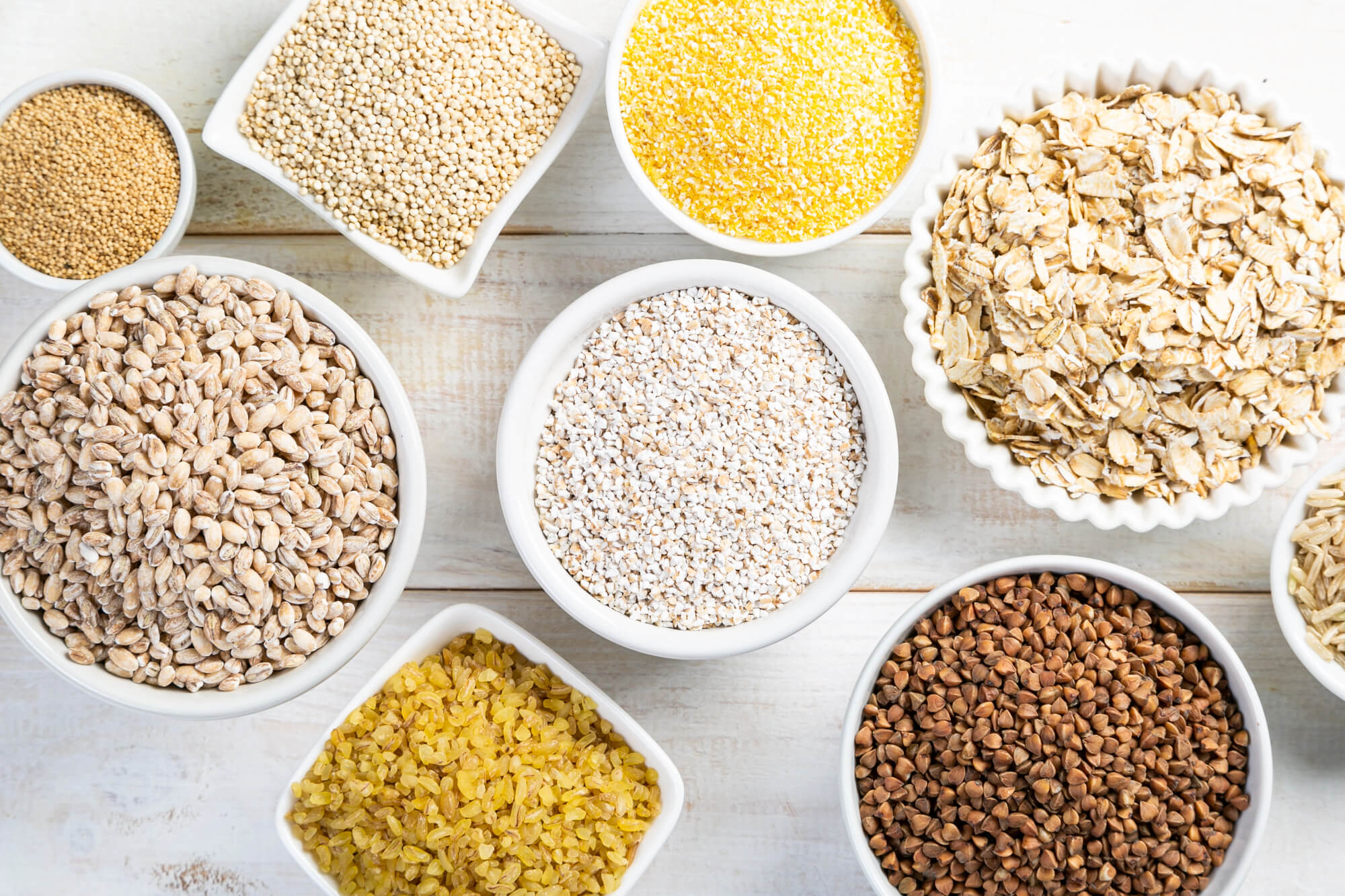
Practical tip: Try a “grain rotation” approach throughout your week rather than relying on just one type. This not only provides different blood sugar responses but also offers a broader range of nutrients and prevents food boredom (a key factor in maintaining healthy eating habits long-term.)
3. Sweet Potatoes (GI: 44–61)
Sweet potatoes are a brilliant low GI alternative for diabetics, especially for those of us keeping an eye on blood sugar levels. Their lower glycaemic index, particularly when boiled, makes them a gentler option that still delivers comfort, flavour, and plenty of nutrients like vitamin A, fibre, and potassium.
Unlike standard white potatoes (which tend to spike blood glucose), sweet potatoes digest more slowly and have even been studied for their potential blood sugar benefits. Research published in the Journal of Medicinal Food found that compounds in sweet potatoes may help improve insulin sensitivity (Dutta, 2015).
Delicious, nutritious, and perfect for blood sugar balance, sweet potatoes are definitely a staple I reach for again and again.
Practical tip: Sweet potatoes are incredibly versatile and easy to include in everyday meals. You can try them:
- Lightly sautéed in this quick and easy One Pan Sweet Potato Recipe
- Roasted with Smoked Paprika for extra depth and flavour
- Or as a comforting topping in my Vegetarian Cottage Pie with Sweet Potato Mash

4. Pasta – With a Twist (GI: 30–60)
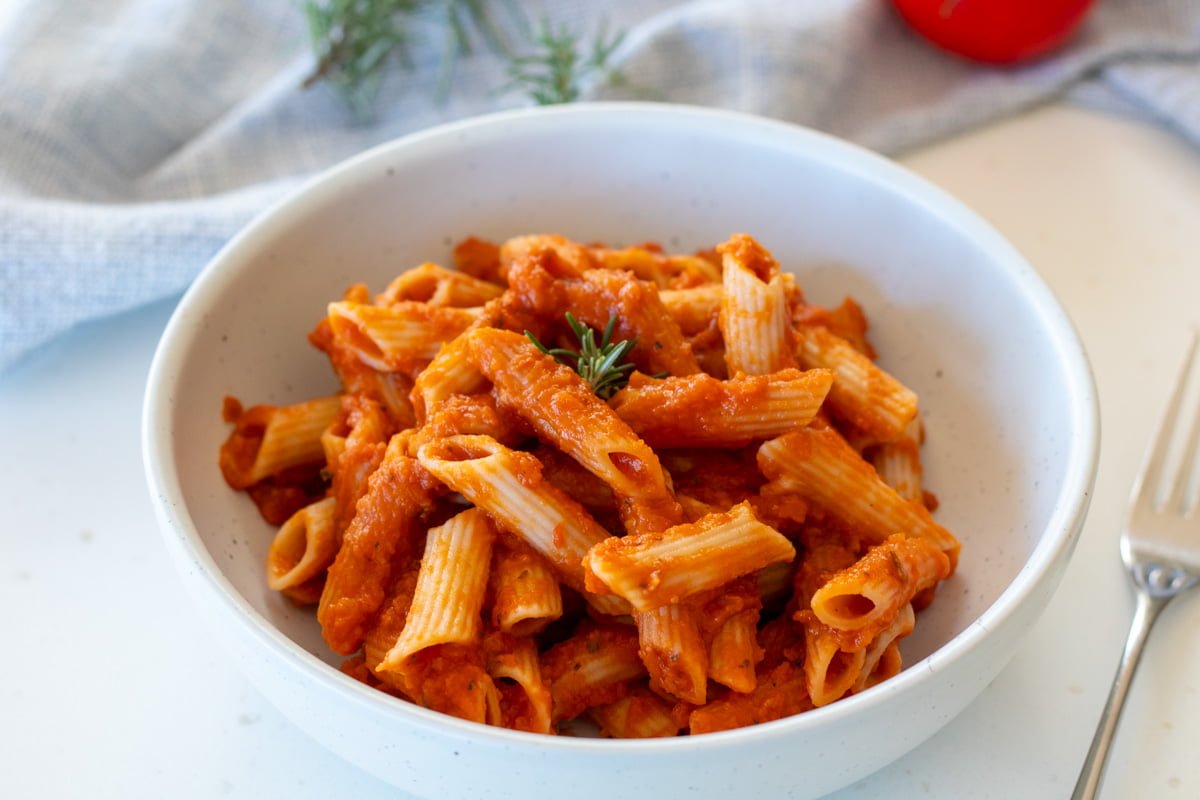
Pasta often gets a bad rap when it comes to diabetes management. But traditional durum wheat pasta actually has a lower glycaemic index than you might expect, especially when cooked al dente, meaning firm to the bite. That firmer texture slows digestion, helping to ease the release of glucose into your bloodstream.
If you want to take blood sugar management a step further, wholegrain pasta (GI around 37-40) and legume-based options made from chickpeas or lentils (GI approximately 25–35) are fantastic alternatives. These options bring extra fibre and protein to the table, making your pasta meal even more diabetes-friendly.
Practical tip: Explore different pasta types in my Delicious & Healthy Pasta Alternatives for Diabetics for more inspiration.
Here are a few of my favourite pasta recipes:
- Roasted Butternut Squash and Tomato Pasta Sauce — rich and comforting, packed with veggies
- Tuna Pesto Pasta — quick, satisfying, and full of flavour
- Hidden Veggie Pasta Sauce Using Frozen Vegetables — perfect for sneaking in extra nutrients without fuss
With a few tweaks and smart cooking choices, pasta can absolutely be part of a balanced, blood sugar-friendly meal.
5. Oats and Porridge (GI: 42-55)
Oats deserve special attention as a blood sugar-friendly breakfast staple and as an ideal addition to your snacks.
The beta-glucan fibre in oats forms a gel-like substance during digestion, slowing the absorption of glucose into the bloodstream. And some research published in the European Journal of Clinical Nutrition found that regular consumption of oats can even improve glycaemic control and insulin sensitivity in people with type 2 diabetes (Li et al., 2016).
Not all oat products are created equal, however:
- Steel-cut oats (GI: ~42): These minimally processed oats maintain more of their fibrous structure, resulting in a lower GI
- Traditional rolled oats (GI: ~51): A good middle-ground option that cooks relatively quickly
- Quick/instant oats (GI: ~55-65): More processed and quicker to digest, resulting in a higher GI
As noted in my article, Oats and Diabetes: Can Oats Help Manage Blood Sugar?, the preparation method matters too. Adding protein and healthy fats further reduces the glycaemic impact.

Practical tips for blood sugar-friendly porridge
- Choose steel-cut or traditional rolled oats over instant varieties
- Cook with unsweetened almond milk for added nutrients without extra carbs
- Stir in a tablespoon of nut butter or seeds for protein and healthy fats
- Top with berries rather than higher-sugar fruits for flavour and antioxidants
- Prepare overnight oats with Greek yoghurt for a protein-rich, ready-to-eat breakfast. I have 2 great recipes, Overnight oats with stewed apples and Frozen berry overnight oats


6. Dairy and Alternatives (GI: 15–40)
Dairy might not always get the spotlight in blood sugar discussions, but it deserves a place at the table. Foods like plain yoghurt, milk, and even many unsweetened plant-based alternatives come with naturally low glycaemic index (GI) values. This means they release glucose more gradually, helping to keep those blood sugar levels nice and steady.
Here’s a quick look at some everyday options:
- Greek yoghurt (GI: ~36) – thick, creamy, and packed with protein
- Whole milk (GI: ~31) – the fat content helps slow digestion
- Unsweetened soya milk (GI: ~34) – a great dairy-free alternative with a protein boost
What makes dairy (and its alternatives) so helpful? It’s the unique combo of protein and fat, which slows down the absorption of carbohydrates, giving your blood sugar a much gentler rise after meals. This was backed up by research from Thomas & Wolever (2003), which showed that dairy products can help moderate the glycaemic response when combined with carbs.
Practical tip: Enjoy Greek yoghurt with a sprinkle of cinnamon and a few berries for a simple, balanced snack, or use unsweetened soya milk in your morning coffee or porridge to keep things low-GI and blood sugar-friendly.
7. Fruit – Whole, Fresh and Fibre-Rich (GI: varies by type)
Fruit often gets a bad rap when it comes to blood sugar, which always surprises me, as whole, fresh fruits can absolutely be part of a balanced diabetes-friendly diet. There is nothing better than a refreshing fresh fruit salad at the end of a meal or added to your breakfast!

Fruits are rich in fibre, water, and natural antioxidants which help slow digestion and provide a steady energy release. However, something that can help when managing blood sugars is choosing lower-GI options and pairing them with protein and healthy fats to soften the glucose impact.
Here are some of my lower-GI favourites:
- Apples (GI: ~36–40) – crunchy, hydrating and naturally sweet
- Pears (GI: ~38) – fibre-packed and satisfying
- Berries (GI: 25–40) – low in sugar but bursting with flavour and nutrients
- Cherries (GI: ~20) – one of the lowest GI fruits around
- Oranges (GI: ~40) – a juicy vitamin C boost with blood sugar benefits
It’s important to note that whole fruits (with their skin, fibre, and natural water content) behave very differently from fruit juices or dried fruits, which can spike blood glucose levels quickly. A study in the British Medical Journal (BMJ, 2013) found that whole fruit consumption, especially blueberries, grapes, and apples, was associated with a lower risk of type 2 diabetes.
Practical tip: Enjoy fruit as part of a snack with a protein or healthy fat source, like apple slices with nut butter or Greek yoghurt with berries. This pairing will help to slow glucose absorption even further.
🔗Learn more about how to combine foods for better blood sugar stability in my article How to Build Balanced Snacks.
8. Sourdough Bread (GI: 50–55)
Not all bread is off the table when managing blood sugar; authentic sourdough can actually be one of the better choices. Thanks to its natural fermentation process, sourdough develops lactic acid and beneficial compounds that help slow digestion and lower the glycaemic impact compared to regular white or even some wholemeal breads.
In fact, a study published in the British Journal of Nutrition found that sourdough bread made from the same flour produced a significantly lower glycaemic response than yeast-leavened bread (Scazzina et al., 2009). It’s all about that slow fermentation magic!

And from personal experience? We have noticed a much slower rise with a slice of well-fermented sourdough topped with smashed avocado, or my delicious Dill Pickle Egg Salad.
Practical tip: When shopping or baking, look for real sourdough—it should only list flour, water, salt, and starter. Avoid versions that sneak in yeast, sugar, or additives. Pair it with a protein or healthy fat to help steady blood sugar even further.
9. Low GI Sweeteners – A Smarter Way to Sweeten
Managing blood sugar doesn’t mean cutting out sweetness altogether, and we have found that making a switch from refined sugars has really helped blood sugar management.
Some sweeteners have a low glycaemic index, meaning they don’t cause sharp spikes in blood glucose, making them a helpful alternative for those living with diabetes or simply looking to eat less sugar. A review in the Journal of Clinical Nutrition concluded that these alternative sweeteners can help support better glycaemic control when used in place of high-GI sugars and syrups, especially when combined with a balanced, whole food diet.
Practical tip: Choose sweeteners without added sugars or bulking agents like maltodextrin (which has a high GI). And just like with anything, enjoy in moderation, less is often more when your tastebuds adjust.
Here are a few commonly used low GI sweeteners that I often reach for in my kitchen and baking:
- Xylitol (GI: ~7) – A natural sugar alcohol that tastes very similar to sugar but with a fraction of the impact on blood sugar. I use this frequently in my cakes and biscuits as it bakes beautifully without the added spikes.
- Erythritol (GI: 0) – Another sugar alcohol with no effect on blood glucose or insulin levels. It’s ideal for no-bake treats, desserts, and frostings, though it can sometimes have a cooling aftertaste.
- Stevia (GI: 0) – A natural plant-based sweetener that’s intensely sweet, so a little goes a long way. It works best in drinks, smoothies, or paired with other sweeteners to balance the flavour.
- Allulose (GI: ~0) – Although less common in the UK at the moment, this newer sweetener behaves a lot like sugar in recipes and has minimal blood sugar impact.
🔗 For more guidance on choosing the best low-GI sweeteners (especially for families managing type 1 diabetes), take a look at my detailed guide: Best Sugar Substitutes for Type 1 Diabetes.

The Best Low-Glycaemic Index Carbs for Diabetes
Managing blood glucose levels is about making informed choices, not eliminating entire food groups. Rather than focusing exclusively on GI values, aim for balanced meals containing a variety of nutrients.
However, by incorporating more low-GI carbohydrates into your meals and considering portion sizes, food combinations, and overall dietary patterns, you can enjoy a varied and satisfying diet while supporting your diabetes management goals.
Remember, though, that individual responses to foods can vary, so personal monitoring with your glucose meter remains the best way to understand how specific foods affect your body.
References
Aune, D., Norat, T., Romundstad, P., & Vatten, L. J. (2013). Whole grain and refined grain consumption and the risk of type 2 diabetes: a systematic review and dose-response meta-analysis of cohort studies. The BMJ, 347, f6879.
Diabetes UK. (2022). Glycaemic Index and Diabetes. Retrieved from https://www.diabetes.org.uk/guide-to-diabetes/enjoy-food/carbohydrates-and-diabetes/glycaemic-index-and-diabetes
Dutta, S. (2015). Sweet potatoes for diabetes mellitus: A systematic review. Pharmacognosy Research, 7(1), 74-79.
International Tables of Glycemic Index and Glycemic Load Values. (2008). Diabetes Care, 31(12), 2281-2283.
Jenkins, D. J., Wolever, T. M., Taylor, R. H., Barker, H., Fielden, H., Baldwin, J. M., … & Goff, D. V. (1981). Glycemic index of foods: a physiological basis for carbohydrate exchange. The American Journal of Clinical Nutrition, 34(3), 362-366.
Kaur, B., Ranawana, V., & Henry, J. (2016). The glycemic index of rice and rice products: a review, and table of GI values. Critical Reviews in Food Science and Nutrition, 56(2), 215-236.
Li, X., Cai, X., Ma, X., Jing, L., Gu, J., Bao, L., … & Li, Y. (2016). Short-and long-term effects of wholegrain oat intake on weight management and glucolipid metabolism in type 2 diabetics: a randomized control trial. Nutrients, 8(9), 549.
Magnuson, B. A., Carakostas, M. C., Moore, N. H., Poulos, S. P., & Renwick, A. G. (2016). Biological fate of low-calorie sweeteners. Nutrition Reviews, 74(11), 670–689.
Muraki, I., Imamura, F., Manson, J. E., Hu, F. B., Willett, W. C., van Dam, R. M., & Sun, Q. (2013). Fruit consumption and risk of type 2 diabetes: results from three prospective longitudinal cohort studies. BMJ Open, 347, f5001.
NICE. (2020). Type 2 diabetes in adults: management. NICE guideline [NG28]. National Institute for Health and Care Excellence.
Scazzina, F., Del Rio, D., Pellegrini, N., & Brighenti, F. (2009). Sourdough bread: Starch digestibility and postprandial glycemic response. Journal of Cereal Science, 49(3), 419-421.
Sievenpiper, J. L., Kendall, C. W., Esfahani, A., Wong, J. M., Carleton, A. J., Jiang, H. Y., … & Jenkins, D. J. (2009). Effect of non-oil-seed pulses on glycaemic control: a systematic review and meta-analysis of randomised controlled experimental trials in people with and without diabetes. Diabetologia, 52(8), 1479-1495.
Thomas, D., & Wolever, M. D. (2003). Carbohydrate and the regulation of blood glucose and metabolism. Nutrition Reviews, 61(5), S40-S48.
Wolever, T. M., Jenkins, D. J., Kalmusky, J., Giordano, C., Giudici, S., Jenkins, A. L., … & Wong, G. S. (1986). Glycemic index of foods in individual subjects. Diabetes Care, 9(4), 430-435.




Leave a Reply